
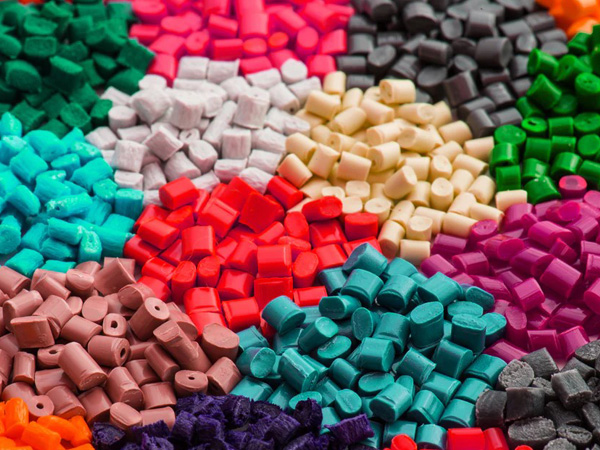
Plastics are versatile synthetic materials made from polymers, widely used across various industries due to their diverse properties. They are generally categorized into two main types: thermoplastics and thermosetting polymers.
Thermoplastics:Thermoplastics can be repeatedly melted and reshaped upon heating without undergoing significant chemical changes. This characteristic allows for easy processing and recycling.
Common examples include:Polyethylene (PE): The most extensively used plastic material, known for its toughness, flexibility, and chemical resistance. It comes in two main types:
High-Density Polyethylene (HDPE): Characterized by a linear molecular structure with little branching, resulting in higher intermolecular forces and high specific strength.
Low-Density Polyethylene (LDPE): Features a branched polymer chain with weak intermolecular forces, leading to lower tensile strength but better impact strength and resilience compared to HDPE.
Polypropylene (PP): A versatile polymer that can have a wide range of properties depending on its molecular weight and crystalline structure. It can withstand higher temperatures without loss of strength or degradation but is susceptible to UV degradation and oxidation.
Polyvinyl Chloride (PVC): A dense, hard, clear plastic used in various applications, from building products and packaging to piping and medical products. It comes in two forms: rigid and flexible, with properties adjustable through the use of additives.
Thermosetting Polymers:
Thermosetting polymers, or thermosets, undergo a chemical reaction during processing that permanently changes their properties. Once hardened, they cannot be remelted or reshaped. Examples include:
Polyurethane (PU): Produced from polyester or polyether polyols, diisocyanate compounds, curatives, and additives, PU is suitable for making high-performance, engineering-grade products. Its mechanical properties can vary from soft and flexible to hard and rigid.
Polytetrafluoroethylene (PTFE): Known for its low coefficient of friction, self-lubrication, chemical resistance, and hydrophobicity, PTFE is desirable as a coating material. Its hydrophobic property also prevents the growth of microbes, extending its applications to manufacturing food and drugs.
Key Characteristics of Plastics:
Plastics exhibit several unique characteristics that influence their performance and suitability for various applications:
Viscoelasticity: Plastics display both elastic and viscous behavior simultaneously, meaning they can deform under stress and slowly return to their original shape when the stress is removed.
Non-linear Behavior: Their properties cannot be predicted through simple extrapolation due to their complex molecular structure.
Temperature Sensitivity: Plastics’ properties can vary widely over relatively small temperature changes, affecting their performance in different environments.
Time-dependent Behavior: Under continuous load, plastics can undergo creep and stress relaxation, leading to changes in their mechanical properties over time.
Environmental Susceptibility: Plastics can be affected by chemicals, UV radiation, and weathering, which may alter their properties and lead to degradation.
Understanding these properties is crucial when selecting a plastic material for a specific application to ensure performance, durability, and safety.
For more detailed information on plastic materials and their properties, you can refer to the following resources: