
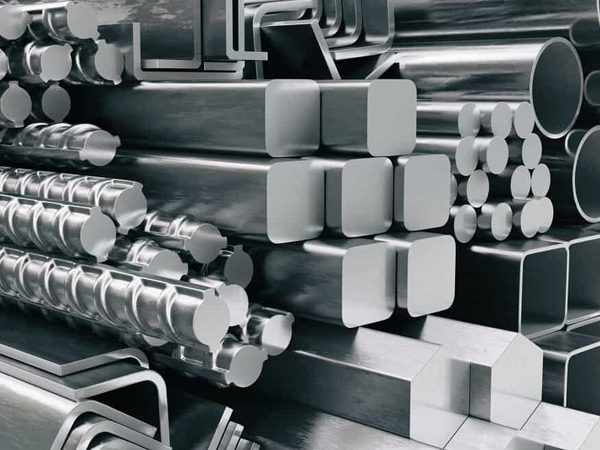
Steel is an alloy primarily composed of iron and carbon, renowned for its strength, durability, and versatility. These properties make it an ideal material for manufacturing a wide array of parts across various industries.
Key Properties of Steel:
Strength and Durability: Steel’s high tensile strength allows it to withstand significant stress without deformation, making it suitable for structural applications.
Ductility and Malleability: Steel can be drawn into wires or hammered into thin sheets, facilitating the creation of diverse shapes and components.
Corrosion Resistance: Alloying elements like chromium and nickel enhance steel’s resistance to corrosion, leading to the development of stainless steels.
Common Steel Parts and Applications:
Automotive Industry: Components such as engine parts, chassis, and body panels.
Construction: Beams, columns, and reinforcing bars in buildings and infrastructure.
Manufacturing: Machine parts, tools, and molds.
Energy Sector: Pipelines, drilling equipment, and structural components for oil rigs.
Manufacturing Processes for Steel Parts:
Casting: Molten steel is poured into molds to create complex shapes.
Forging: Steel is shaped under high pressure to enhance strength.
Machining: Precision cutting and shaping of steel using tools like lathes and mills.
Welding: Joining steel parts together by melting the interfaces and adding filler material.